Quick Links for Our 4 Best Drones for Construction and Inspections
We strongly recommend you read in-detail down below why we recommend these specific products. But if you just want a quick summary and a link to purchase, we’ve provided these here.
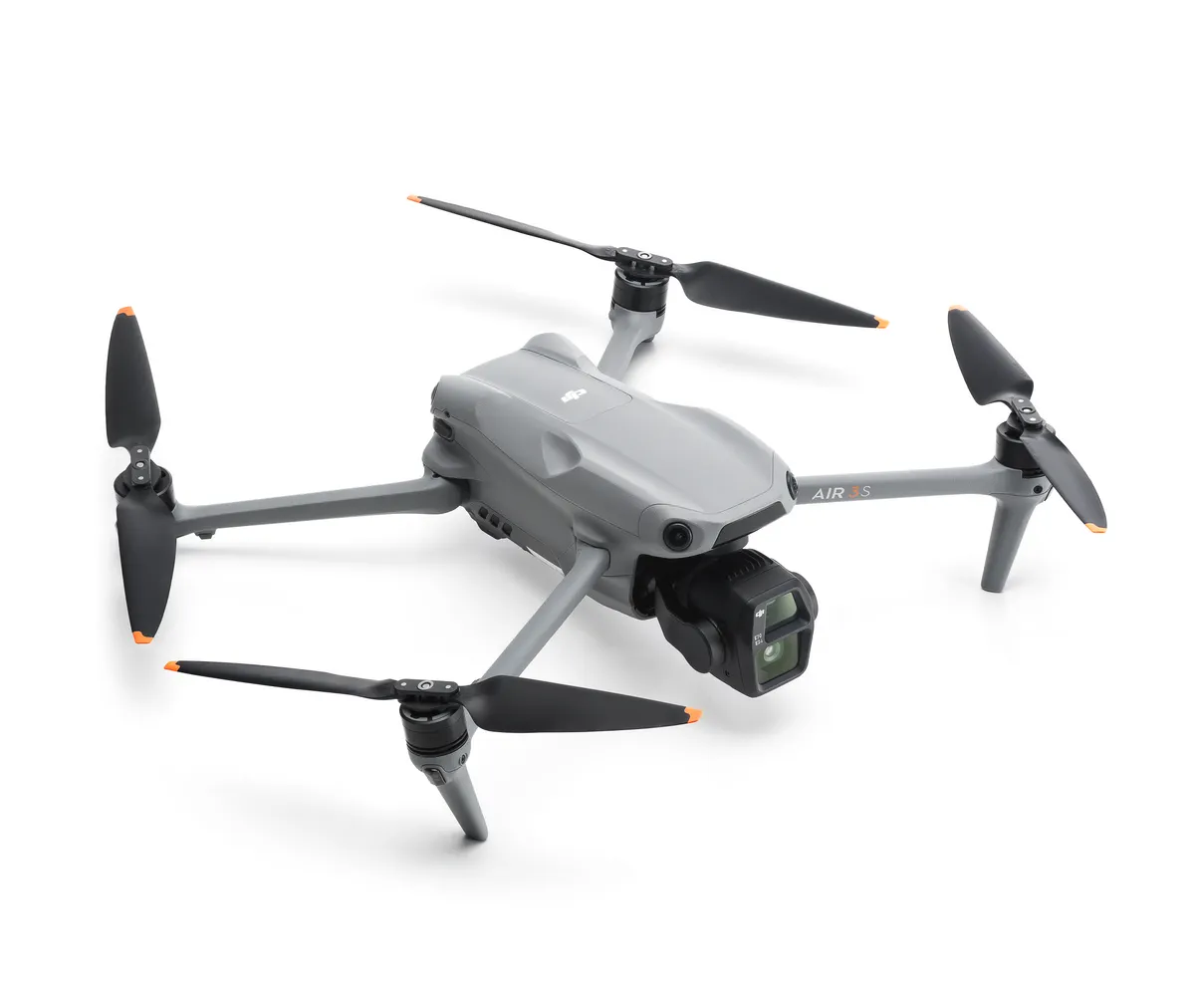
Image: DJI
For progress photos, owner updates, and marketing the finished project, the Air 3S is the best balance of image quality, flight time, and price. The 1-inch main sensor handles harsh midday light, and the medium telephoto lets you capture detail on a roof or façade without flying close.
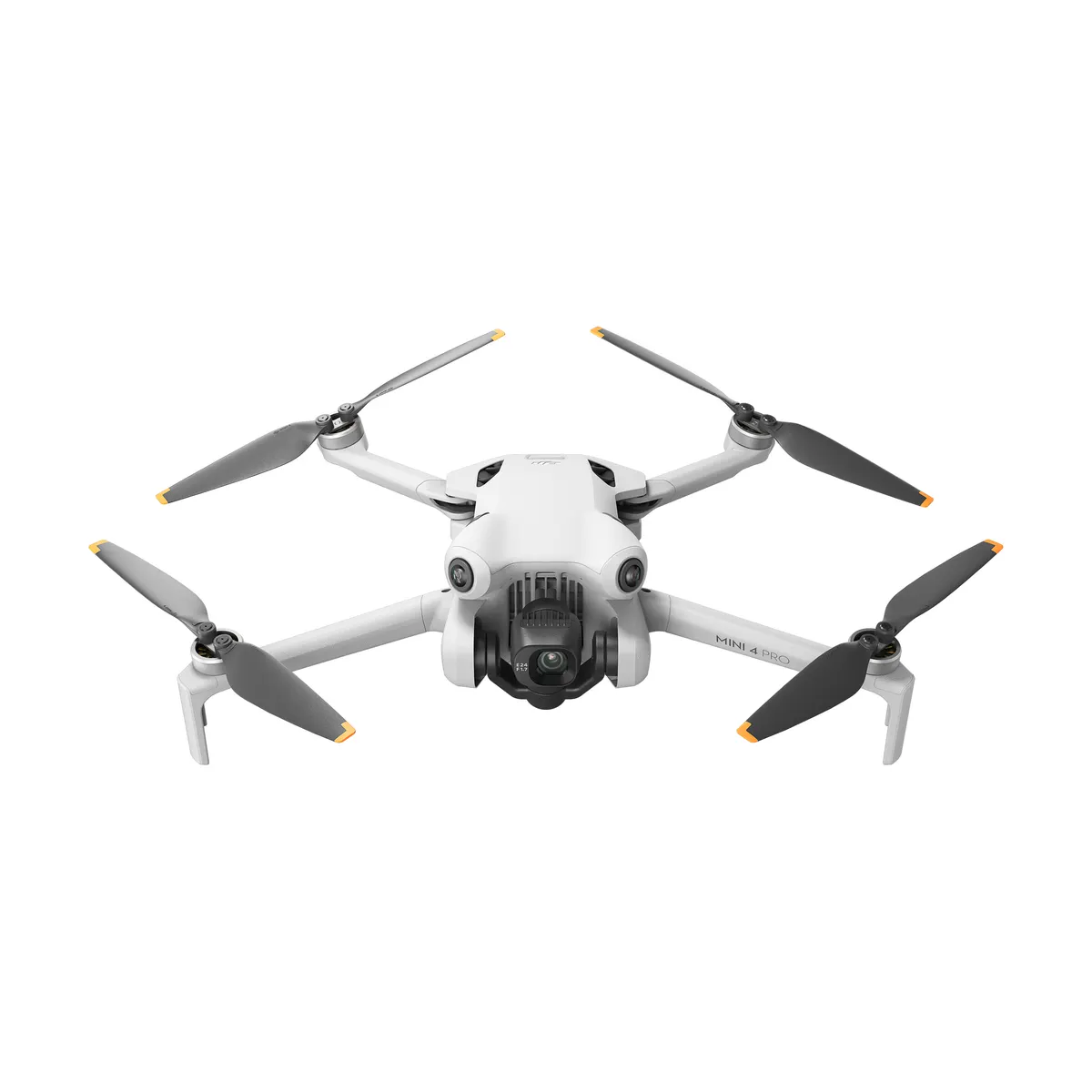
Image: DJI
If you need a drone that lives in the truck and comes out for quick progress shots, the Mini 4 Pro is the one. It uses infrared obstacle sensing rather than LiDAR, so it isn’t among the models named in the FCC’s August 2026 LiDAR proposal.

The most capable non-DJI drone still sold new in the US at a prosumer price. It’s heavier, and the software isn’t as polished, but the 1-inch sensor produces sharp progress photos.
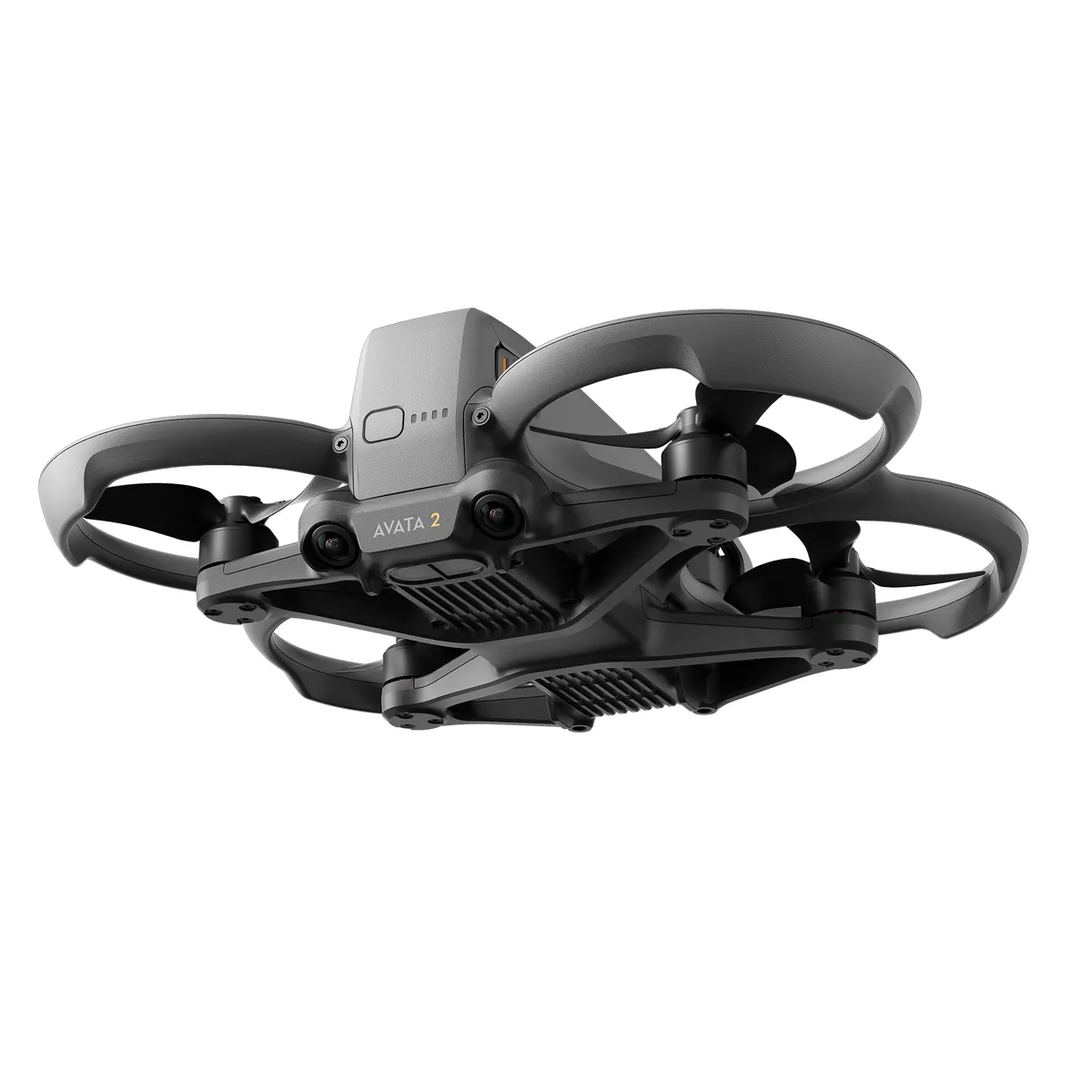
Image: DJI
For walking an owner through a building under construction, or getting into places a standard drone can’t, the Avata 2 is a small, prop-guarded FPV drone designed to fly close to structures.
Affiliate Link Disclosure: As an Amazon Associate, Jack & Bean earns from qualifying purchases. Buying through our links supports articles like this at no extra cost to you.
Table of Contents
Why We Wrote this Article + Why Trust Our Take on Drones for Construction and Inspections
Drones earn their keep on construction sites in three ways: documenting progress, inspecting places people shouldn’t climb, and showing an owner the whole site in one frame. The right drone depends on which of those you need most.
It also depends on what you can still buy. In December 2025 the FCC stopped authorizing new foreign-made drones for sale in the US, and in 2026 new tariffs and a pending rule on thermal and LiDAR drones followed. Everything below can be bought new in the US today, and we’ve flagged the models most exposed to the rules still in motion. Our 2026 business drone buying guide covers what changed in detail.
Check the seller and warranty terms before you buy. Sourcing is uneven right now, and some listings are third-party imports whose warranty may not cover US buyers, which matters on a tool you depend on.
Honorable mentions
Best for inspections: DJI Matrice 4E
When the job is inspection, not just photos, you need zoom and measurement. The Matrice 4E pairs a 4/3-inch wide camera with two telephoto cameras and a laser rangefinder, so you can inspect a roof edge or a tower connection from a safe distance and know how far away it is.
- 4/3-inch, 20MP wide camera plus two telephoto cameras
- Laser rangefinder out to 1,800 m
- 1,219 g, up to 49 minutes per battery
- Obstacle sensing in all directions
It’s an enterprise drone, sold through dealers rather than Amazon. Its thermal sibling, the Matrice 4T, is named in an FCC proposal from August 2026, and thermal drones have carried a 100% import tariff since September 3, 2026.
Best US-made: Skydio X10 or Freefly Astro
If your contracts or clients require a drone made outside China, these are the realistic options, and both are enterprise tools priced accordingly.
- Skydio X10 is built for inspection, with multiple camera options including thermal and 360° obstacle avoidance. Skydio sells it through its sales team, not retail.
- Freefly Astro is built in Washington and aimed at mapping, with a 61MP payload. Listed prices start around $23,000.
Image: DJI
For progress photos, owner updates, and marketing the finished project, the Air 3S is the best balance of image quality, flight time, and price. The 1-inch main sensor handles harsh midday light, and the medium telephoto lets you capture detail on a roof or façade without flying close.
- 1-inch, 50MP main camera plus a 1/1.3-inch, 48MP medium telephoto
- 4K video up to 120fps
- 724 g, up to 45 minutes per battery
- Obstacle sensing in all directions, plus forward LiDAR
The catch: it’s one of the models named in an FCC proposal from August 2026 that would end US sales of drones with LiDAR, 180 days after a final rule. Drones already owned wouldn’t be affected.
Image: DJI
If you need a drone that lives in the truck and comes out for quick progress shots, the Mini 4 Pro is the one. It uses infrared obstacle sensing rather than LiDAR, so it isn’t among the models named in the FCC’s August 2026 LiDAR proposal.
- 1/1.3-inch, 48MP sensor
- 4K video up to 100fps
- Under 249 g with the standard battery, 34 minutes (45 with the Plus battery)
- Obstacle sensing in all directions
The most capable non-DJI drone still sold new in the US at a prosumer price. It’s heavier, and the software isn’t as polished, but the 1-inch sensor produces sharp progress photos.
- 1-inch, 20MP sensor
- Video up to 5472×3076
- 1,270 g, up to 39 minutes per battery
Image: DJI
For walking an owner through a building under construction, or getting into places a standard drone can’t, the Avata 2 is a small, prop-guarded FPV drone designed to fly close to structures.
- 1/1.3-inch, 12MP sensor
- 4K video up to 100fps
- About 377 g, around 23 minutes per battery
Photos, or measurements?
Every drone here can take progress photos. Measurable data, like orthomosaic maps, topographic models, and stockpile volumes, is a different job with different software and a different skill set. We break down the difference in aerial progress documentation for construction sites.
Before you fly a job site
- Get Part 107 certified. Flying for a business is commercial operation, and the FAA requires a Remote Pilot Certificate.
- Register the drone and use Remote ID. Every drone flown for business must be registered ($5, good for three years), and registered drones must broadcast Remote ID. Weight doesn’t exempt commercial flights.
- Check the airspace. Much of the Phoenix metro sits in controlled airspace, which means a LAANC authorization before every flight.
- Carry insurance. Many general contractors and owners will ask for proof before you fly their site.
Buy one, or hire it out?
A drone is the cheap part. The certification, insurance, pilot time, and consistency add up, and consistency matters most. A progress record only works if every flight is shot from the same positions, which is hard to guarantee when whoever’s free that week is flying.
Want your site documented on a schedule? Milestone Monitor is our monthly site documentation plan: the same site, flown from the same positions, so every flight compares to the last. Ask about Milestone Monitor
About the Author: David Raines