Quick Links for Our 4 Best Drones for Real Estate Photography
We strongly recommend you read in-detail down below why we recommend these specific products. But if you just want a quick summary and a link to purchase, we’ve provided these here.
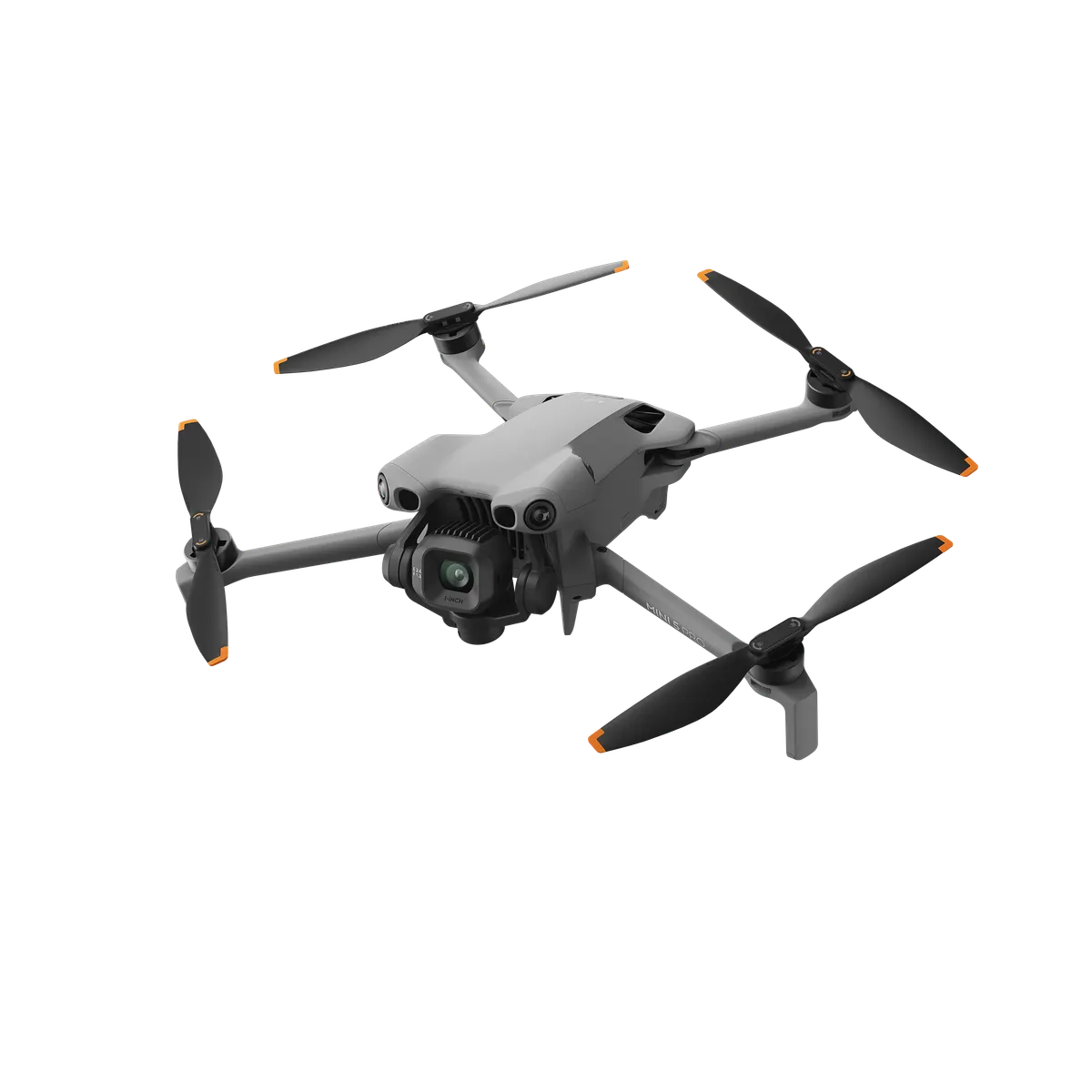
Image: DJI
The Mini 5 Pro puts a 1-inch sensor, the size photographers care about for low light and dynamic range, in a drone that weighs about as much as a smartphone. That combination is what real estate work needs: clean twilight exteriors, bright skies that don’t blow out, and a drone small enough to fly comfortably over a residential street.
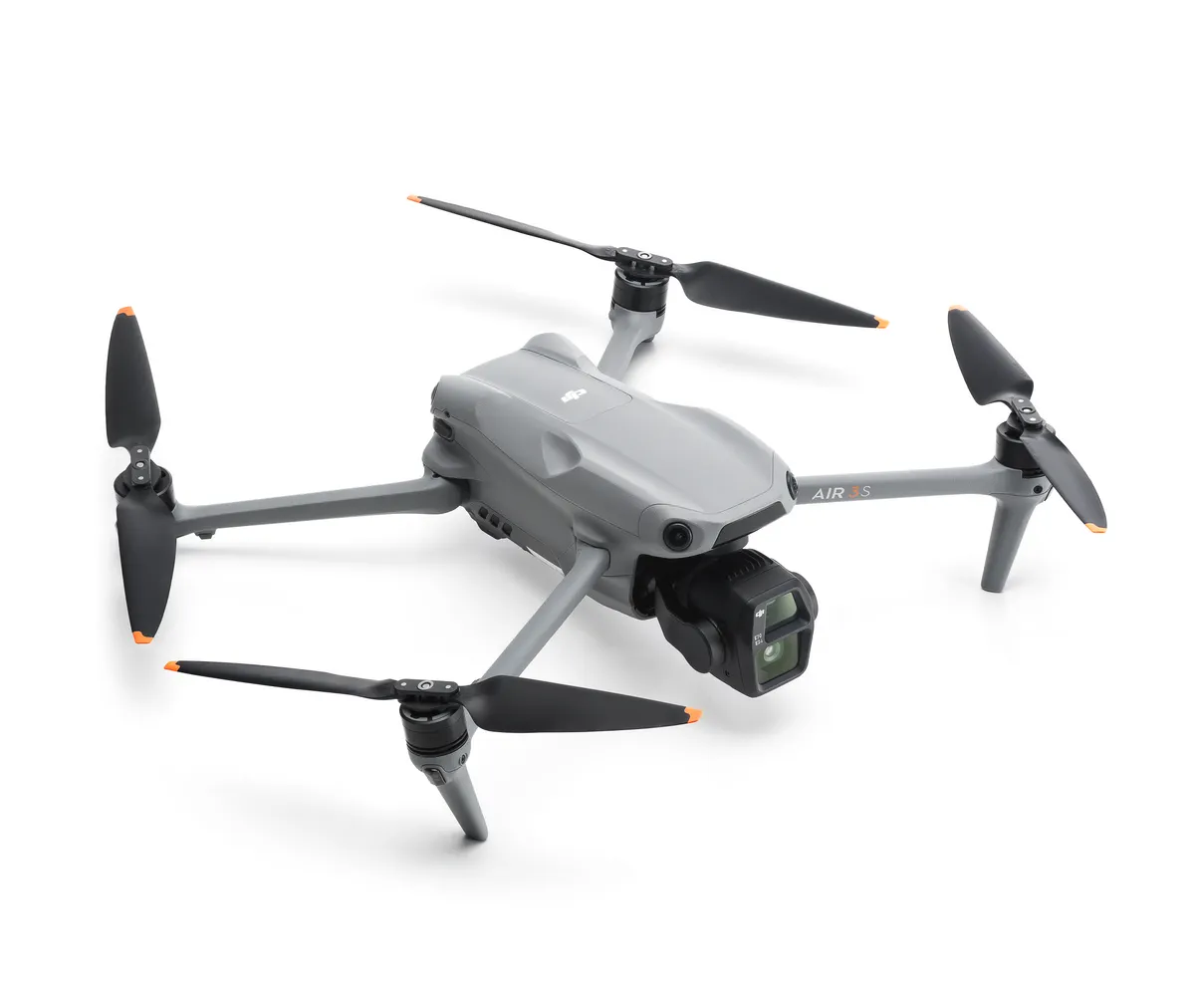
Image: DJI
The Air 3S adds a second camera, a medium telephoto, to a 1-inch main sensor. For listings, the telephoto is the difference-maker. It compresses distance, so a mountain view or a nearby park sits closer to the house instead of shrinking into the background.
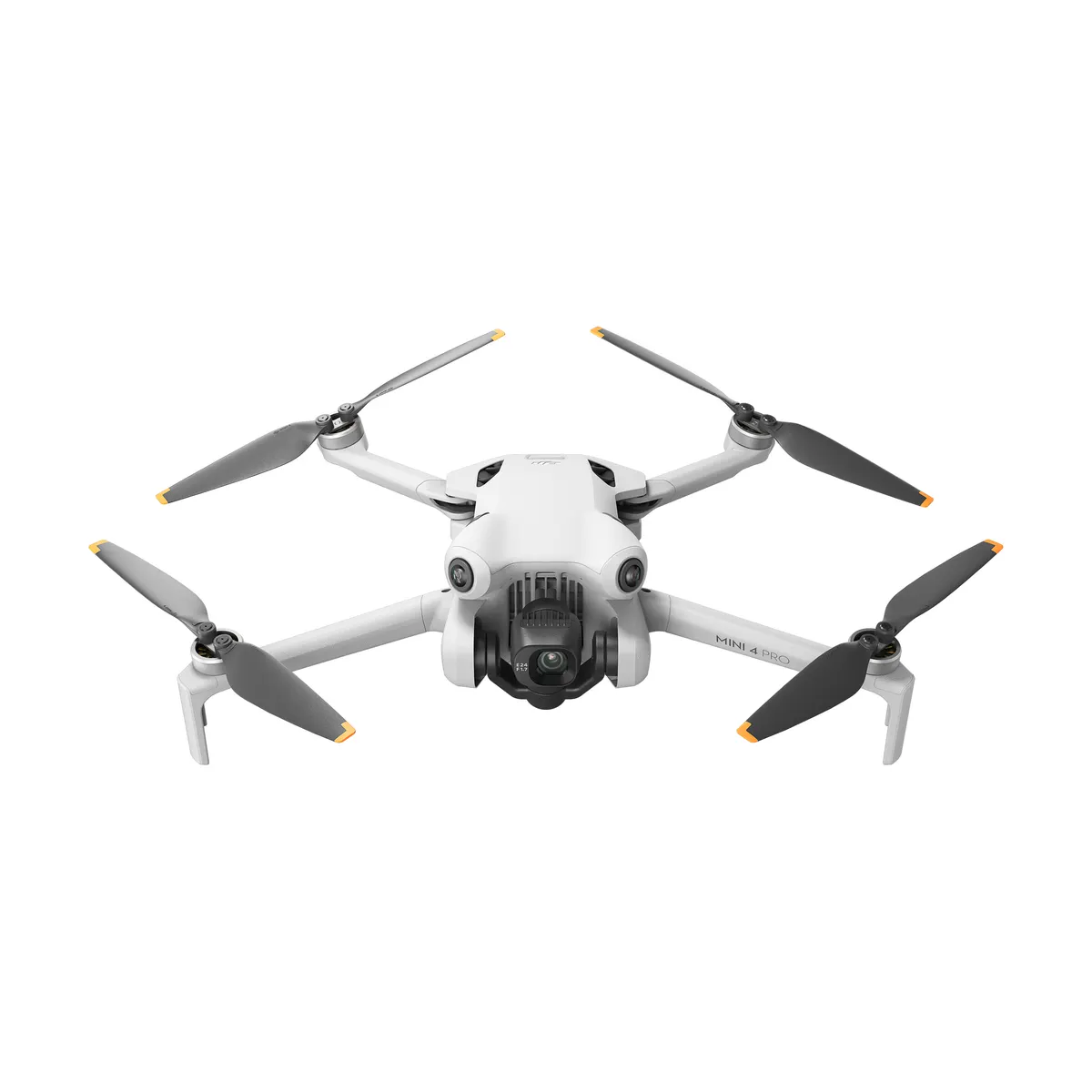
Image: DJI
The Mini 4 Pro has a smaller sensor than the two picks above, but it’s still a capable listing drone, and it has one advantage in 2026: it uses infrared obstacle sensing rather than LiDAR, so it isn’t among the models named in the FCC’s August 2026 LiDAR proposal. If you want the drone least likely to be caught by the next rule change, this is it.

If you’d rather not fly DJI, the EVO II Pro V3 is the most capable alternative still sold new in the US. It’s larger and heavier, but the 1-inch sensor holds up well, and it records up to 5.5K video. Autel discontinued its smaller EVO Lite series in July 2025, so this is the model to look at.
Affiliate Link Disclosure: As an Amazon Associate, Jack & Bean earns from qualifying purchases. Buying through our links supports articles like this at no extra cost to you.
Table of Contents
- Why We Wrote this Article + Why Trust Our Take on Drones for Real Estate Photography
- Best overall drone for real estate
- Best image quality for real estate
- Least exposed to new drone rules
- Best non-DJI drone for real estate
- What about the Mavic 4 Pro?
- What to look for in a real estate drone
- Before you fly a listing
- Buy one, or hire it out?
- Why We Wrote this Article + Why Trust Our Take on Drones for Real Estate Photography
- Best overall drone for real estate
- Best image quality for real estate
- Least exposed to new drone rules
- Best non-DJI drone for real estate
- What about the Mavic 4 Pro?
- What to look for in a real estate drone
- Before you fly a listing
- Buy one, or hire it out?
Why We Wrote this Article + Why Trust Our Take on Drones for Real Estate Photography
Real estate is still one of the best uses for a camera drone. One aerial shows the lot, the roofline, the backyard, and the neighborhood in a single frame, and it’s the shot buyers scroll back to.
What changed is what you can actually buy. In December 2025 the FCC stopped authorizing new foreign-made drones for sale in the US, which includes every new DJI and Autel model. Drones approved before that cutoff are still legal to sell and fly commercially, so the picks below are all models you can buy new in the US today. For the full picture of what changed and what’s still pending, read our 2026 business drone buying guide.
Check the seller and warranty terms before you buy. Sourcing is uneven right now, and some listings are third-party imports whose warranty may not cover US buyers.
Image: DJI
The Mini 5 Pro puts a 1-inch sensor, the size photographers care about for low light and dynamic range, in a drone that weighs about as much as a smartphone. That combination is what real estate work needs: clean twilight exteriors, bright skies that don’t blow out, and a drone small enough to fly comfortably over a residential street.
- 1-inch, 50MP sensor
- 4K video up to 120fps
- 249.9 g (±4 g), up to 36 minutes per battery (52 with the Plus battery)
- Obstacle sensing in all directions, plus forward LiDAR
The catch: the Mini 5 Pro is one of the models named in an FCC proposal from August 2026 that would end US sales of drones with LiDAR, 180 days after a final rule. It isn’t final, and it wouldn’t affect drones people already own. But if you want this one, don’t wait.
Image: DJI
The Air 3S adds a second camera, a medium telephoto, to a 1-inch main sensor. For listings, the telephoto is the difference-maker. It compresses distance, so a mountain view or a nearby park sits closer to the house instead of shrinking into the background.
- 1-inch, 50MP main camera plus a 1/1.3-inch, 48MP medium telephoto
- 4K video up to 120fps
- 724 g, up to 45 minutes per battery
- Obstacle sensing in all directions, plus forward LiDAR
The catch: it’s heavier than a Mini and named in the same LiDAR proposal as the Mini 5 Pro.
Image: DJI
The Mini 4 Pro has a smaller sensor than the two picks above, but it’s still a capable listing drone, and it has one advantage in 2026: it uses infrared obstacle sensing rather than LiDAR, so it isn’t among the models named in the FCC’s August 2026 LiDAR proposal. If you want the drone least likely to be caught by the next rule change, this is it.
- 1/1.3-inch, 48MP sensor
- 4K video up to 100fps
- Under 249 g with the standard battery, 34 minutes (45 with the Plus battery, which pushes it over 249 g)
- Obstacle sensing in all directions
If you’d rather not fly DJI, the EVO II Pro V3 is the most capable alternative still sold new in the US. It’s larger and heavier, but the 1-inch sensor holds up well, and it records up to 5.5K video. Autel discontinued its smaller EVO Lite series in July 2025, so this is the model to look at.
- 1-inch, 20MP sensor
- Video up to 5472×3076
- 1,270 g, up to 39 minutes per battery
What about the Mavic 4 Pro?
It has the best camera DJI makes, but DJI never officially launched it in the US. The units you’ll find come through third-party importers, often with a warranty that doesn’t cover US buyers. For a drone you’re relying on for paid work, we’d buy one of the picks above instead.
What to look for in a real estate drone
- Sensor size first. A 1-inch sensor handles bright skies, shaded patios, and twilight shoots far better than a smaller one. It’s the spec that shows up in the photos.
- 4K video at minimum. Every pick here clears that easily.
- Wind handling. Sub-250 g drones are easy to carry and fly, but they get pushed around on gusty afternoons. If you shoot a lot of open desert lots, a heavier drone like the Air 3S holds position better.
- Obstacle sensing. Residential shoots mean trees, power lines, and rooflines. All-direction sensing is worth paying for.
- A controller with a screen. A built-in screen beats clipping your phone to the controller, especially in Arizona sun.
Before you fly a listing
- Get Part 107 certified. Real estate photography is commercial work, so the FAA requires a Remote Pilot Certificate.
- Register the drone and use Remote ID. Every drone flown for business must be registered ($5, good for three years), and registered drones must broadcast Remote ID. Being under 250 grams doesn’t exempt commercial flights.
- Plan for controlled airspace. Much of the Phoenix metro sits under controlled airspace. You’ll need a LAANC authorization before you fly, and it’s much easier to get before you’re standing at the listing.
- Protect the drone. A crash on a shoot is a matter of when, not if. Carry accident coverage and liability insurance.
- Shoot from a list. Front elevation, backyard, the lot lines, the approach, and the best neighborhood feature. A consistent shot list makes every listing faster.
Buy one, or hire it out?
A drone is only the start. Add Part 107 certification, registration, insurance, spare batteries, practice time, and editing, and it adds up fast. If you’re shooting a few listings a year, hiring a certified pilot is usually cheaper, and the photos come back edited.
Need listing aerials in the Phoenix metro? Jack & Bean flies FAA-certified and insured, with unedited files delivered the same day. See aerial services
About the Author: David Raines